Hormuz Island, located in the Persian Gulf, is a hidden gem in southern Iran. Known for its stunning landscapes, rich history, and unique culture, it attracts travelers from around the world. If you are looking for a perfect place to stay, Red Beach Hotel is the best choice for your adventure.
Tourist Attractions in Southern Iran
Southern Iran is rich in attractions. Here are some must-visit places:
| Location | Description | Best Time to Visit |
|---|---|---|
| Hormuz Island | Famous for its colorful soil and beaches. | March to May |
| Shiraz | Known for its gardens, poetry, and historical sites. | April to June |
| Kish Island | Offers beautiful beaches and water sports. | June to September |
| Qeshm Island | Home to the Hara Forest and beautiful caves. | October to December |
Why Visit Hormuz Island?
Hormuz Island is unique for several reasons:
- Colorful Soil: The island is famous for its red, yellow, and white soil, creating stunning landscapes.
- Historical Sites: Explore ancient forts and museums that tell the story of the island’s past.
- Beautiful Beaches: Enjoy the serene beaches where you can relax and unwind.
Top Attractions in Hormuz Island
- Red Beach: A stunning beach with red sand, perfect for swimming and sunbathing.
- Portuguese Castle: A historical site that dates back to the 16th century, offering a glimpse into the island’s history.
- Rainbow Valley: A colorful valley that’s great for photography and nature walks.
Here’s a simple table outlining the main attractions of Hormuz Island:
| Attraction | Description | Activities | Best Time to Visit |
|---|---|---|---|
| Red Beach | A stunning beach with red sand. | Swimming, sunbathing, photography | March to May |
| Portuguese Castle | A historical fort from the 16th century. | Exploring, photography | All year |
| Rainbow Valley | A colorful valley with vibrant soil. | Hiking, photography | March to May |
| Valley of Statues | Unique rock formations resembling human figures. | Hiking, exploring | March to May |
| Hormuz Island Museum | A small museum showcasing the island’s history. | Learning, exploring | All year |
| Silver Beach Beach | A serene beach known for its beauty. | Relaxing, swimming | March to May |
| Salt Cave | A cave made of salt, offering unique formations. | Exploring, photography | All year |
Portuguese Castle
Located in the northern part of Hormuz Island, the Portuguese Castle is a historic structure with striking red walls. It is one of the most important attractions on the island and dates back to the 16th century, when the Portuguese occupied the region.
With its large area and watchtowers, the castle represents the military power of that era. Inside the fortress, you can still find remnants of a church, ammunition storage rooms, and water reservoirs, all of which reflect the lifestyle of the Portuguese during their presence on the island.
Visiting this site feels like traveling back in time and offers tourists a deeper understanding of Hormuz Island’s rich and complex history.
Ticket price: 150,000 IRR
Visiting hours: 8:00 AM to 6:00 PM
Location: north Hormuz Island
Dr. Ahmad Nadalian Museum
In the heart of Hormuz Island lies the unique Dr. Ahmad Nadalian Museum, showcasing environmental and indigenous artworks. Nadalian, a renowned Iranian artist, has created many of these works using the island’s colorful soils, inspired by local culture.
Even the exterior walls of the museum are decorated with artistic patterns that become more visible as you approach.
Beyond being an exhibition space, the museum also serves as a center for education and promotion of environmental art among young people and art enthusiasts. Visiting this museum provides a deeper understanding of the connection between art and nature on Hormuz Island.
Ticket price: Approximately 300,000 IRR
Visiting hours: 8:00 AM to 10:00 PM
Location: Northern Hormuz Island, below the Portuguese Castle
Salt Goddess Cave (Valley of Silence)
The Valley of Silence is one of Hormuz Island’s most peaceful attractions, known for its salt crystals and deep tranquility. At the end of the valley stands a natural formation called the Salt Goddess, created over many years.
This formation is the largest salt crystal structure in the area, featuring unique shapes and sparkling colors. It appears like a guardian watching over the valley.
If you’re lucky enough to visit after rainfall, an orange-colored stream may flow through the valley, enhancing its beauty even further. Many visitors describe this place as spiritually calming and unique.
Ticket price: Free
Best time to visit: Early morning or sunset
Location: Western Hormuz Island, Valley of Silence
Saffron Valley and Seasonal River
In the southeastern part of the island lies Saffron Valley, named after its saffron-colored soil and seasonal river. With its tall cliffs and warm tones, it is an excellent spot for walking and photography.
Although less معروف than other attractions, this valley remains relatively untouched and peaceful. During rainy seasons, the flowing river adds a refreshing charm to the landscape.
Note that reaching this area requires about 20 minutes of walking on uneven terrain, which may be challenging for some visitors.
Ticket price: Free
Best time to visit: Winter and early spring, especially after rainfall
Location: Eastern Hormuz Island, Coastal Road
Rainbow Valley
Rainbow Valley is one of the most stunning natural wonders of Hormuz Island. With over ۷۰ different رنگها in its soil and rocks, it looks like a natural color palette.
These colors are the result of various mineral compositions formed over millions of years. Walking through this valley is a truly unforgettable experience for visitors.
Visitors are advised not to remove soil from the area. Instead, you can support locals by purchasing souvenirs made from collected materials.
Ticket price: Free
Best time to visit: Autumn and winter, early morning or late afternoon
Location: Southwestern Hormuz Island
Turtle Beach
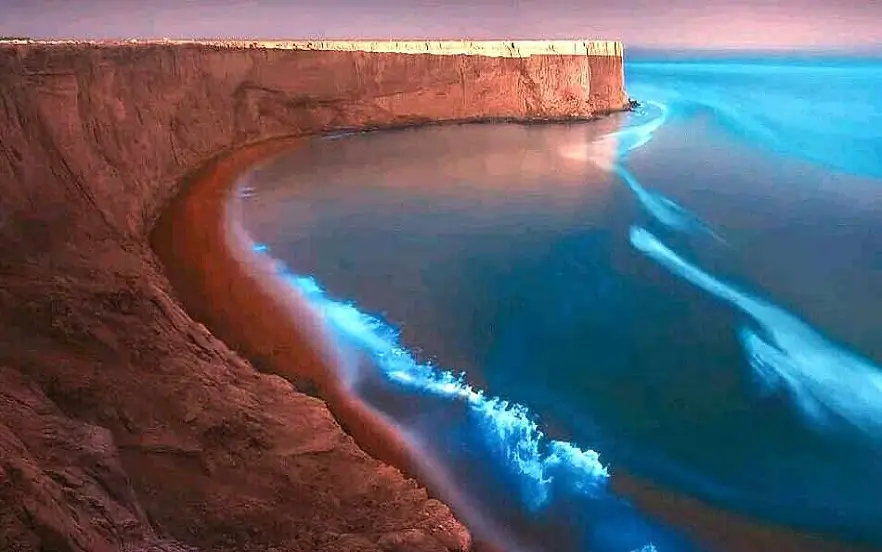
Turtle Beach is one of the most pristine ساحلهای Hormuz Island and is known for being a nesting ground for sea turtles, especially green and hawksbill turtles.
These turtles come ashore in late winter to lay eggs, and by early spring, hatchlings make their way to the sea. The beach is also known for its large rock formations, sometimes referred to as the “Wall of the Persian Gulf.”
Ticket price: Free
Best time to visit: Spring (nesting season)
Location: Southeastern Hormuz Island
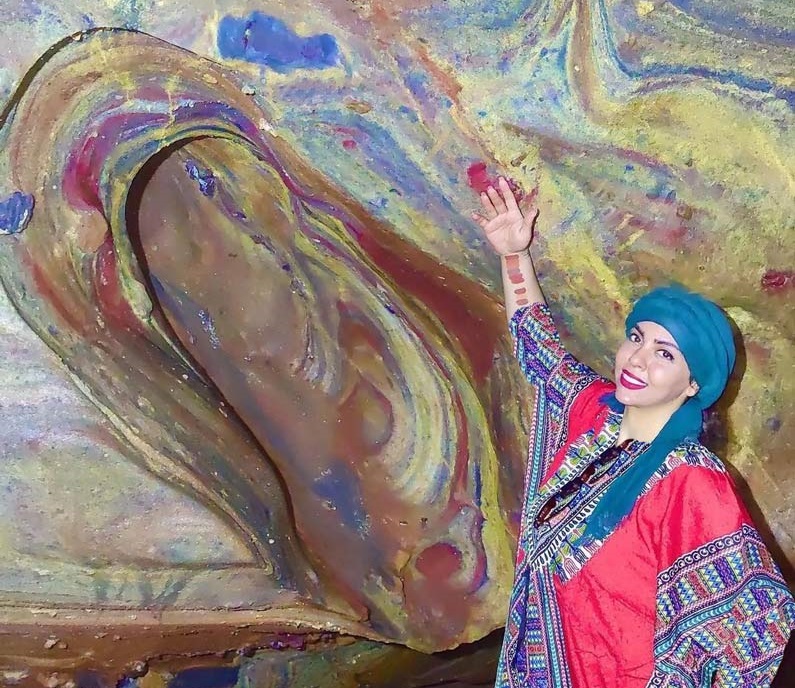
Rainbow Cave
Rainbow Cave, located in the southeast of Hormuz Island, is another natural wonder. The cave features colorful layered walls formed by water flowing through salt mountains over many years.
With a depth of approximately 30 to 40 meters, the cave contains vibrant sedimentary and salt rocks that resemble a natural painting.
Visitors should take safety precautions, as parts of the cave may be unstable.
Ticket price: Free
Best time to visit: Early morning or late afternoon
Location: Southeastern Hormuz Island
Red Beach
Red Beach is one of the most iconic attractions of Hormuz Island, known for its red-colored soil caused by iron oxide.
The contrast between the red sand and the blue waters of the Persian Gulf creates a breathtaking منظر. Locals even use this خاک as a spice in some traditional dishes.
Ticket price: Free
Best time to visit: Autumn and winter
Location: Southern Hormuz Island
Hara Forests
The Hara forests (mangrove forests) in the northeast of Hormuz Island are among its most unique natural ecosystems. These trees grow in saltwater and can filter salt naturally.
They are home to various bird species, fish, and marine life, making them an important ecological reserve.
Entry: Free (boat fees apply)
Best time to visit: Autumn and winter
Location: Northern Hormuz Island
Silver Beach
Silver Beach is famous for its shimmering sand, caused by metallic particles. It creates a magical view, especially under sunlight or moonlight.
Ticket price: Free
Best time to visit: Sunrise or sunset
Location: Southern Hormuz Island
Valley of Statues
The Valley of Statues is a geological wonder where rocks have been naturally shaped into forms resembling animals, birds, and even humans.
One of the most famous formations looks like a dragon. This valley is perfect for photography and exploring untouched nature.
Ticket price: Free
Best time to visit: Autumn and winter
Location: Southern Hormuz Island
Why Choose Red Beach Hotel?
When visiting Hormuz Island, Red Beach Hotel is the best accommodation option. Here’s why:
- Prime Location: Close to main attractions like Red Beach and Portuguese Castle.
- Comfortable Rooms: Offers cozy and well-equipped rooms for a pleasant stay.
- Friendly Staff: The hotel staff is dedicated to making your stay enjoyable.
Hormuz Island is a must-visit destination in southern Iran, filled with unique attractions and experiences. With Red Beach Hotel, you’ll have the perfect base for exploring this beautiful island. Book your stay today and make unforgettable memories!
FAQs
What unique natural feature is Hormuz Island known for that attracts photographers and nature lovers?
Hormuz Island is renowned for its stunning colorful soil, particularly the vibrant red, yellow, and white earth that creates surreal landscapes. This unique geological feature, along with striking rock formations and beautiful beaches, attracts photographers and nature lovers who seek to capture the island’s breathtaking scenery. The Rainbow Valley is especially popular for its vivid colors and picturesque views.
What geological processes contribute to the formation of colorful soil in places like Hormuz Island?
The colorful soil of Hormuz Island is primarily the result of several geological processes:
- Volcanic Activity: The island has a history of volcanic activity, which contributes to the presence of various minerals in the soil. Volcanic eruptions can deposit ash and lava that alter the soil composition.
- Weathering: Over time, the weathering of rocks and minerals breaks them down into smaller particles. This process can lead to the exposure of different mineral layers, each with distinct colors, such as iron oxides that create red and yellow hues.
- Erosion: Wind and water erosion continuously reshape the landscape, exposing fresh layers of colorful soil and allowing for the mixing of different sediment types.
- Sedimentation: The accumulation of sediments from both marine and terrestrial sources contributes to the variety of colors in the soil. Different sediments can bring unique minerals, enhancing the color palette.
- Oxidation: The presence of certain minerals, particularly iron, can oxidize when exposed to oxygen, leading to vibrant red and yellow colors in the soil.
These processes combine to create the striking and diverse landscapes that attract photographers and nature lovers to Hormuz Island.
What historical significance does the Portuguese Castle hold, and what century was it built in?
The Portuguese Castle, also known as the Castle of Hormuz, holds significant historical importance as it was built in the 16th century during the period of Portuguese colonization in the region.
- Strategic Location: The castle was constructed to control trade routes in the Persian Gulf and protect Portuguese interests in the area.
- Cultural Exchange: It symbolizes the interactions between European powers and local cultures during the age of exploration.
- Architectural Value: The castle showcases Portuguese military architecture of the time, featuring thick walls and defensive structures.
Today, it stands as a reminder of Hormuz Island’s rich history and the impact of colonial powers in the region.
Visitors can explore its ruins and learn about the island’s past.